Politics & Diplomacy
Rajoub demands a presidential vote and says Abbas fears a coup
Graphic: Times of Palestine
Original Reporting
Jibril Rajoub, the secretary-general of Fatah's Central Committee and one of the movement's most senior figures, has publicly demanded that Palestinians elect a president before they elect a parliament — and, in a sentence of colloquial bluntness that has ricocheted through Palestinian media, named the fear he says stands in the way: "Abu Mazen is afraid we'll stage a coup against him."
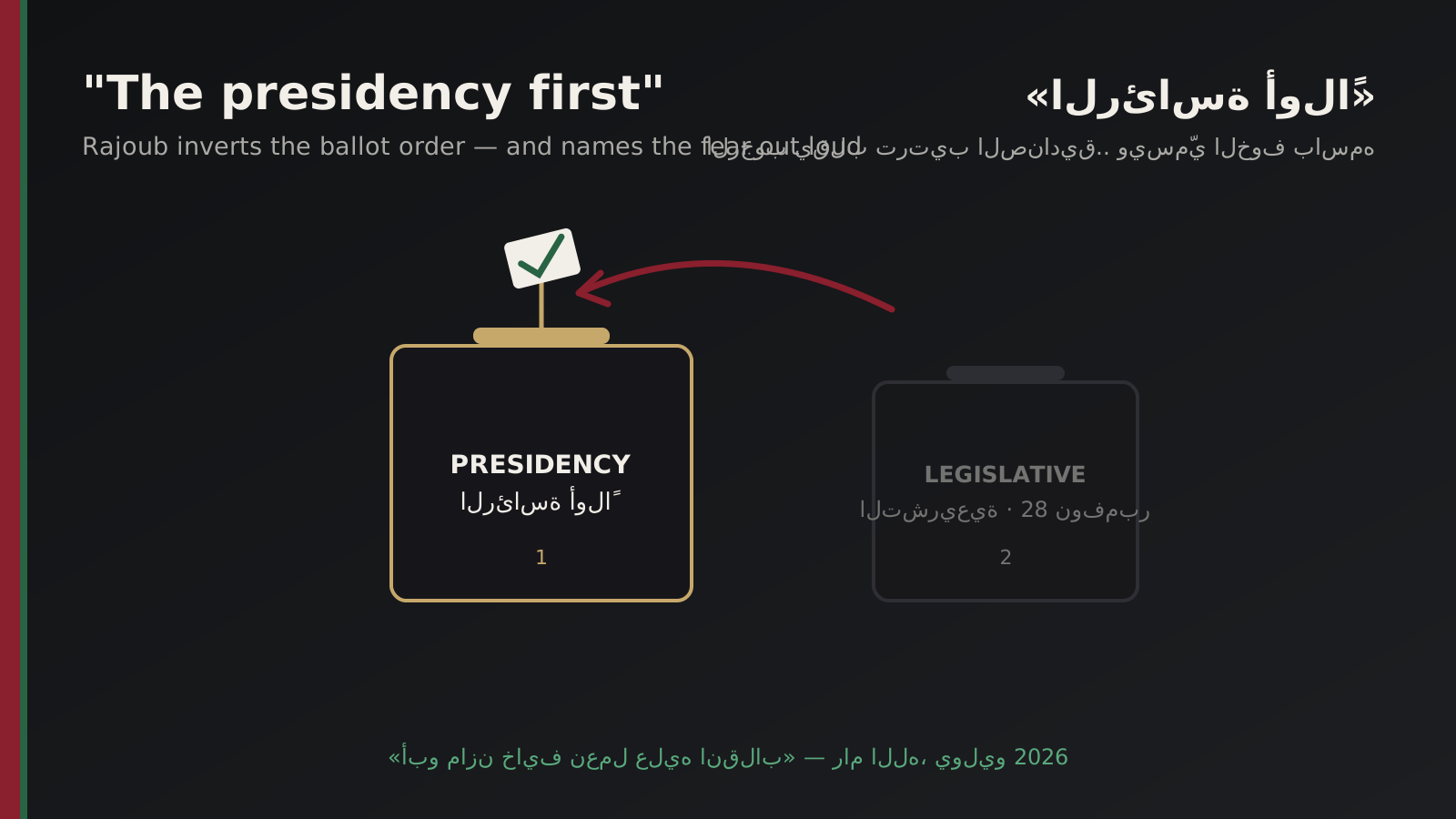
Speaking at a meeting with youth activists organised by the Palestinian Peace Coalition in Ramallah, in remarks carried by Al-Quds, the Raya news agency and Middle East Monitor, Rajoub argued the sequence decreed by President Mahmoud Abbas has the constitution backwards. Abbas's 9 July decree set legislative elections for 28 November 2026 — the first in two decades — with a presidential vote to follow only in 2027. "The Palestinian political system is a presidential system," Rajoub said; a president should therefore be elected first, and the factions should agree on a consensus national figure for the post. Abbas, he suggested, would remain chairman of the Palestine Liberation Organization — the formula polite Palestinian politics uses for moving the ninety-year-old president upstairs.
Then came the sentence that made the headlines. "Abu Mazen khayef ne'mal aleih inqilab" — Abu Mazen is afraid we will stage a coup against him — Rajoub said, in the vernacular Arabic of a man speaking past the communiqué writers, in remarks reported by the Sama news agency and picked up across the Palestinian and Jordanian press. The line drew wide reaction, with commentary tying it to the accumulating rifts inside Fatah. No response had been issued by the president's office at publication time.
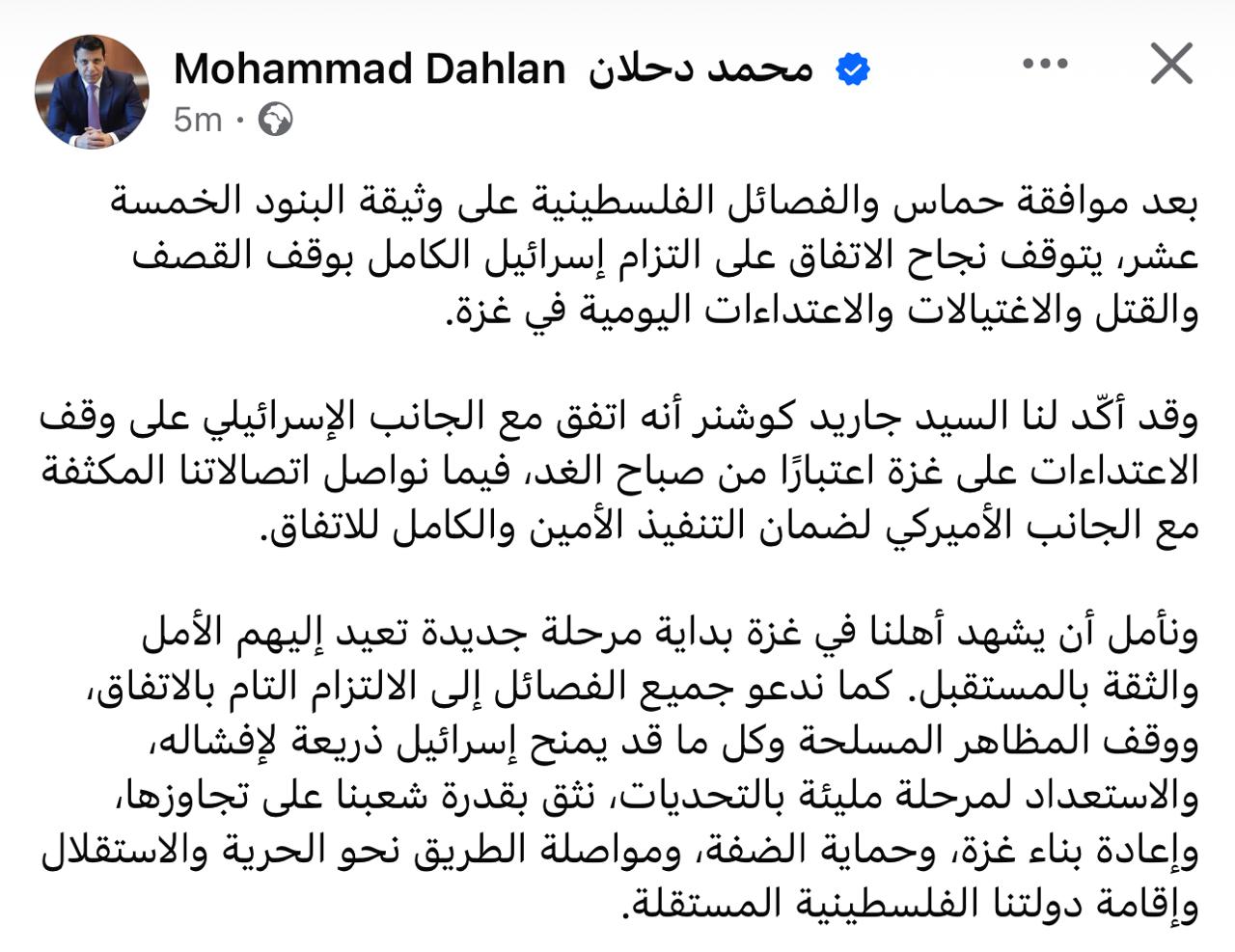
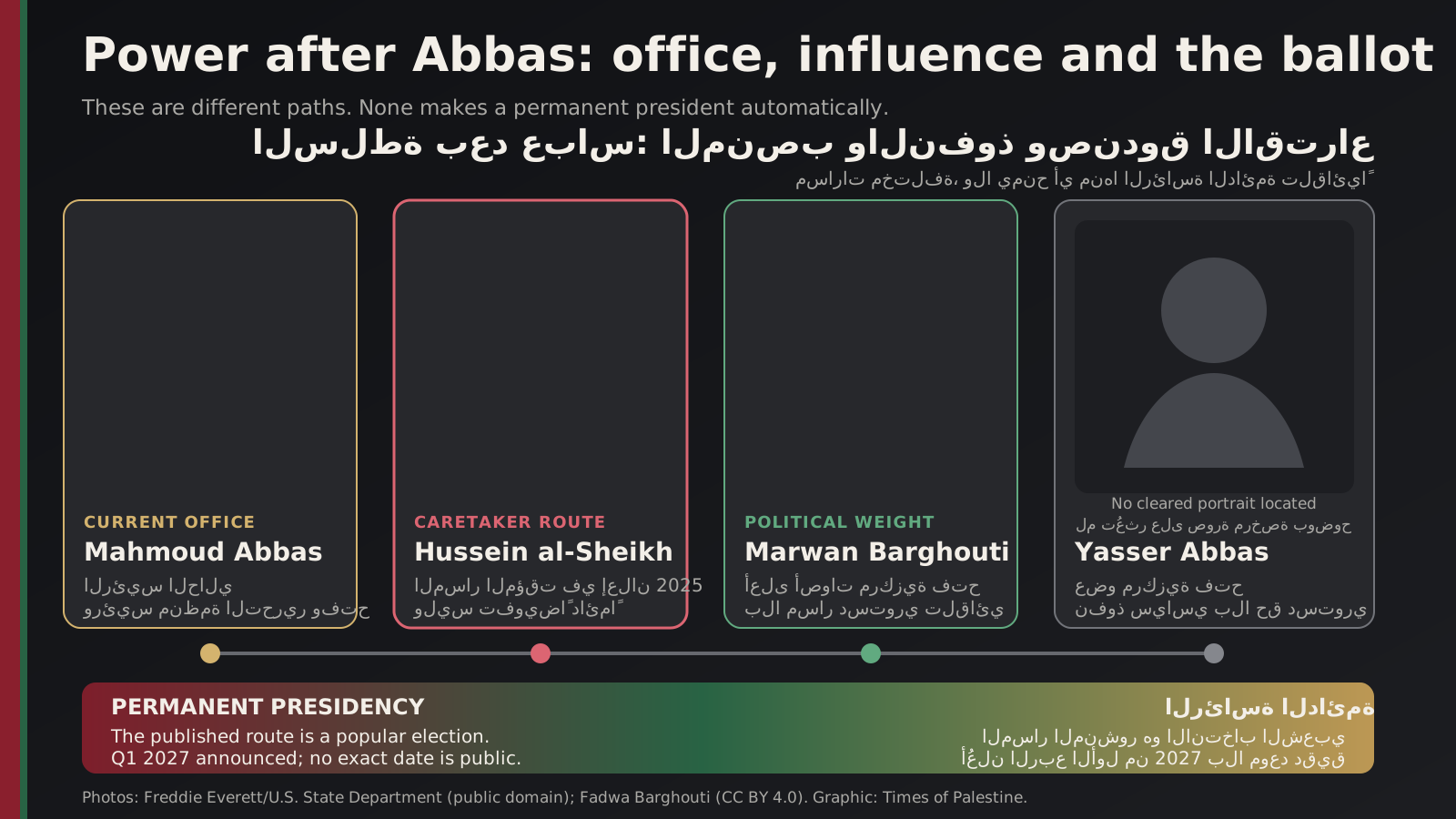
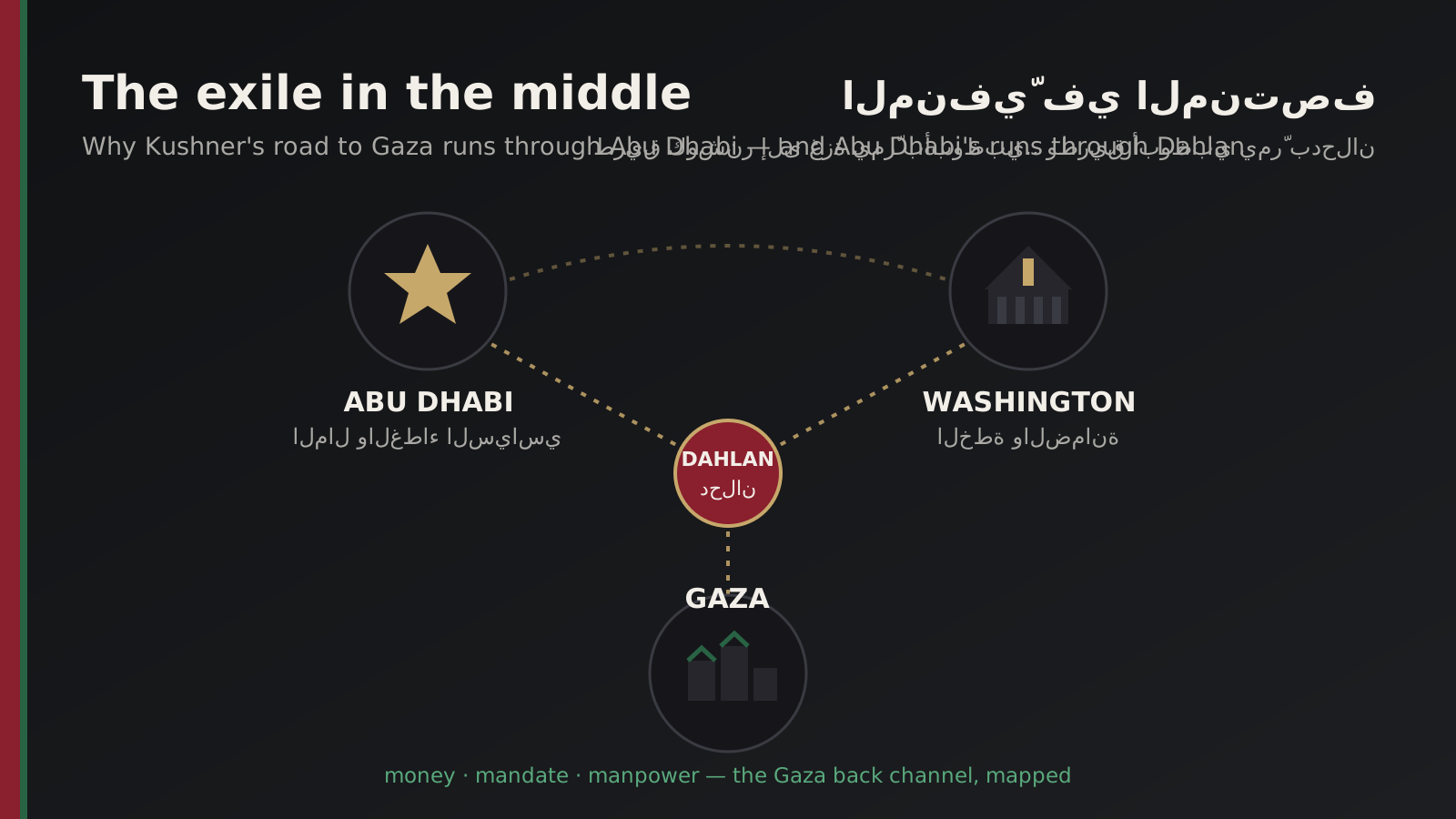
The order of the ballot boxes is not a procedural quibble; it is the whole question. The decreed sequence — parliament in November, presidency at some point in 2027 — carries Abbas through the transition with his powers intact, while the succession is managed institutionally: Hussein al-Sheikh was installed this year as the PLO's first-ever vice president by appointment, not ballot, a design this newspaper's succession reporting has covered in detail. Inverting the sequence, as Rajoub demands, would open the top job to competition now — with polls consistently showing the imprisoned Marwan Barghouti as the runaway favourite, and with Mohammad Dahlan, the exiled rival whose Gaza back channel this paper investigated this week, campaigning for "new leadership" from Abu Dhabi. Rajoub's coup line does not accuse the president of paranoia so much as it names, from inside the inner circle, the logic every Palestinian assumes: that the calendar is built to protect the incumbent.
Rajoub's doubts extend to whether even the decreed vote will happen. "I hope the elections take place, but I'm not sure they will," he told the same gathering, and called the cancellation of the 2021 elections — annulled by Abbas weeks before polling day, officially over Israel's refusal to permit voting in East Jerusalem — "the biggest strategic mistake in our history," a decision he described elsewhere in the remarks, as reported by Ultra Palestine, as a disgrace. The same East Jerusalem question hangs unanswered over 28 November, as does whether Hamas will be permitted to contest; Israel has said nothing on either.
The speaker matters as much as the speech. Rajoub, seventy-three, is not an outsider throwing stones: seventeen years in Israeli prisons, head of the West Bank's Preventive Security through the Oslo years — the mirror of Dahlan's Gaza command — Fatah's Central Committee secretary since 2017, chief of the Palestinian Football Association, and the man who negotiated the abortive joint lists with Hamas in 2021. He has long been assumed to harbour presidential ambitions of his own, an assumption he fed and deflected in the same breath on Saturday by confirming he will not stand for the Legislative Council while intending, he said, "to continue playing a political role" through the electoral process.
What his intervention establishes is narrower than a challenge and larger than a comment: the taboo is broken. The demand for a presidential ballot, and the naming of the fear that has postponed one for two decades, now come not from Hamas, not from exile, not from the street — but from the secretary-general of the ruling movement's own Central Committee, on the record, in Ramallah. Between now and 28 November, the question Rajoub put in the room will sit under every preparation for the vote: whether the Palestinian Authority's return to the ballot box is a genuine reopening of Palestinian politics, or a sequenced renovation of the house with the owner still holding every key.