Arab Support
Morocco funds summer schools for 3,000 Jerusalem children
Graphic: Times of Palestine
Original Reporting
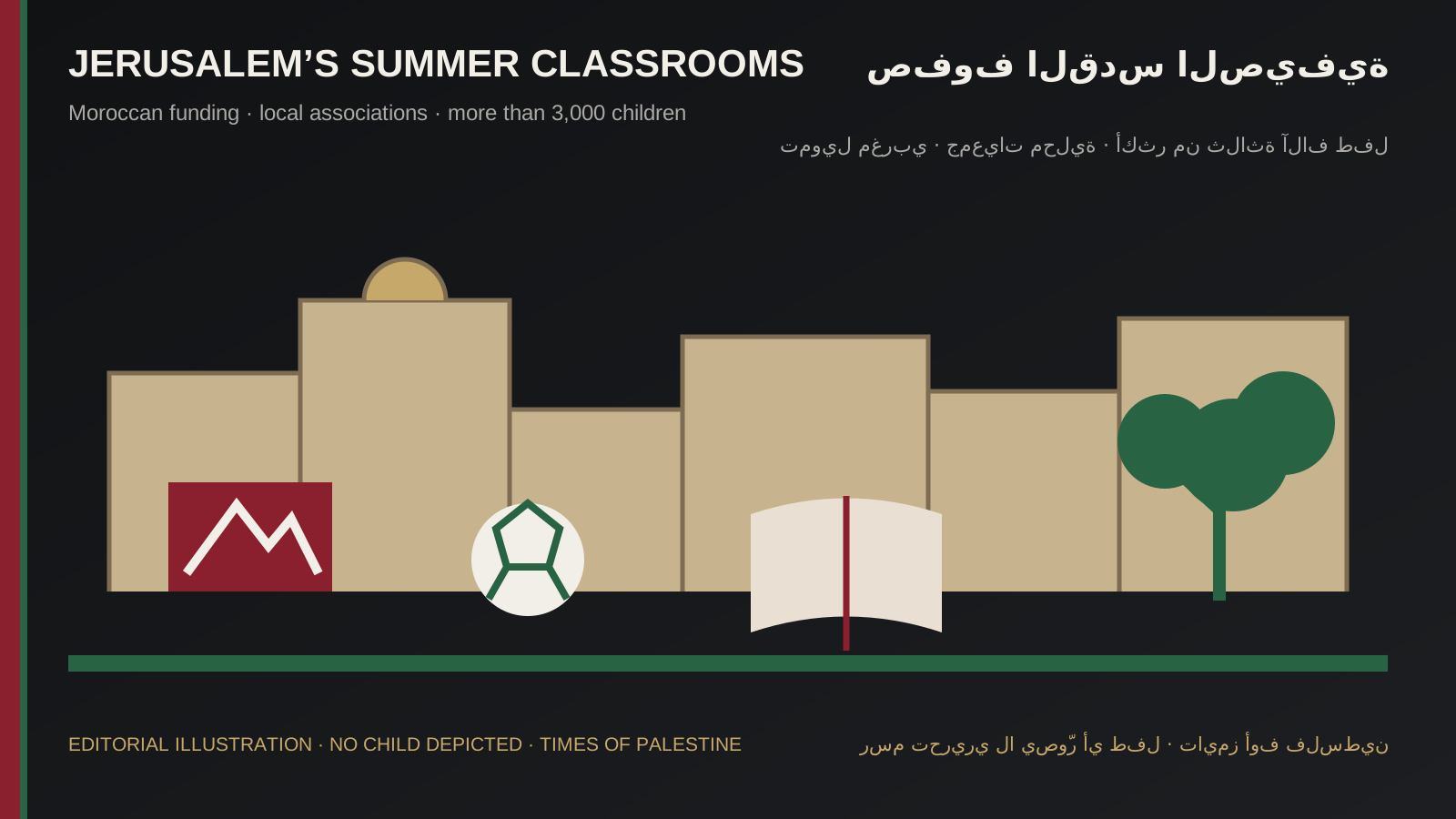
Moroccan funding is providing summer schools for more than 3,000 children across Jerusalem, with local associations offering education, sport, art and psychosocial support to participants aged four to 17.
The programme is run by the Bayt Mal Al-Quds Acharif Agency, the executive arm of the Al-Quds Committee chaired by Morocco’s King Mohammed VI. A 22 July field report from the agency says participating associations received school materials, educational and sports equipment, art supplies, theatre activities, psychosocial workshops and sessions on technology and life skills.
A local report by Al-Quds newspaper documented the programme operating at the Arab Orphan School and said activities extend through the Old City, Silwan, Ras al-Amud, Wadi al-Joz, Sheikh Jarrah, Beit Hanina, Al-Eizariya, Bir Nabala, Nabi Samwil, Al-Judeira and the Shuafat and Qalandiya refugee camps.
The support is delivered through Jerusalem organisations#
The agency supplies funding and materials, but community associations conduct the daily work. Its inspection visits included the Jerusalem Heritage Youth Forum, Al-Bustan Association in Silwan and an organisation serving people with visual disabilities. This local route matters because it places staff and decisions near the children rather than running a distant, one-off event.
The published record describes more than 3,000 intended beneficiaries and activities already under way. It does not provide a final attendance count, programme-wide budget, allocation by association or cost per child. Times of Palestine therefore reports 3,000 as the programme’s reach figure, not an independently audited completion total.
The age range also requires different services. A four-year-old and a 17-year-old do not need the same day. The programme’s mix of play, sport, theatre, technology and life skills allows local groups to divide activities rather than force every participant through one schedule.
A summer programme can feed a longer education plan#
The schools are one part of a larger Moroccan-backed education track. On 15 July, the agency announced a 2027–2030 integrated programme covering school rehabilitation, a second phase of work at Al-Quds University’s Beit Hanina buildings, scholarships and training placements in Palestinian and Moroccan universities, a start-up and digital-technology incubator, and cultural and extracurricular activities.
That plan is announced, not yet delivered. The 2026 summer schools are the current operating layer. Keeping the two labels separate gives credit for the work children are receiving now without treating a four-year programme as complete before it starts.
The strongest bridge between them would be evidence from this summer: attendance, inclusion of children with disabilities and orphans, parent feedback, safeguarding records and which workshops children chose. Those measures can guide the larger programme’s design.
The next ledger entry should publish the budget#
Bayt Mal Al-Quds has provided public figures for previous education campaigns, including beneficiary counts and budgets. A similar close-out statement for 2026 would show how Morocco’s contribution was divided between materials, association grants, staff, transport and activities.
It would also make the model easier for other Arab institutions to extend: fund established Jerusalem associations, publish the route and cost, and connect a seasonal programme to school rehabilitation and scholarships. The current record already shows delivery at multiple sites. A financial and attendance ledger would show its depth.
This report used the agency’s French and Arabic programme records and local reporting from Al-Quds, accessed on 3 August 2026. It distinguishes activities under way from the announced 2027–2030 plan and does not infer a final attendance figure. No allegation is made and no adverse right of reply was required.